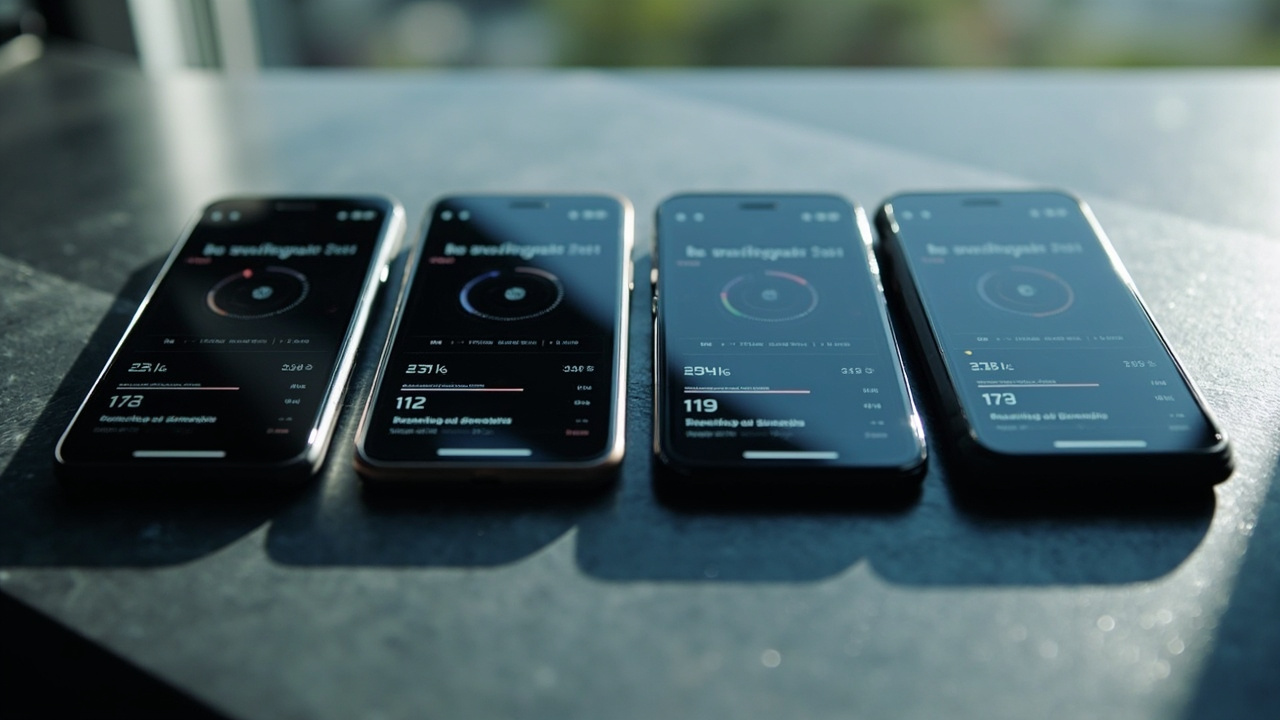
Qualcomm's flagship Snapdragon 8 family grew crowded in 2026. The lineup now stretches from the standard Snapdragon 8 Gen 5 up through the Snapdragon 8 Elite Gen 5, the Samsung-exclusive 8 Elite Gen 5 for Galaxy, and the trimmed-down 8 Elite Gen 5V.
Android Authority put all four through GeekBench 6 and 3DMark stress tests using the Samsung Galaxy S26 Ultra, POCO F9 Ultra, POCO F9 Pro, and OnePlus 15R. The numbers show clear winners on paper, and one surprise in sustained load.
The short version
- The Snapdragon 8 Elite Gen 5 for Galaxy runs an octa-core CPU peaking at 4.74GHz, about 140MHz above the regular 8 Elite Gen 5.
- The standard 8 Elite Gen 5 peaks at 4.6GHz with a 3-slice Adreno GPU.
- The 8 Elite Gen 5V keeps the 4.6GHz CPU but drops to a 2-slice GPU.
- The Snapdragon 8 Gen 5 (no Elite badge) tops out at 3.8GHz with a 2-slice Adreno and lacks the Elite chip's high-performance memory.
- All Elite variants use a 3nm TSMC process.
CPU results
The Galaxy S26 Ultra took first place in both single-core and multi-core GeekBench 6 runs, which is no shock given its overclocked cores. The lead was narrow in single-core and wider in multi-core, where Samsung can call on two extra high-clocked cores at once.
The OnePlus 15R finished last in both CPU legs, dragged down by the 8 Gen 5's lower clocks. The POCO F9 Pro landed a distant third despite sharing the 8 Elite Gen 5V's 4.6GHz rating. That gap suggests either a smaller cache on the 5V or unusually conservative software tuning by POCO, according to androidauthority.com.
GPU and thermal results
Peak frame rates favored the Galaxy S26 Ultra, but sustained performance told a different story. In 3DMark's Wild Life and Wild Life Extreme stress tests, the POCO F9 Pro held the best stability, finishing ahead of the Galaxy S26 Ultra by the end of the run. The POCO F9 Ultra and OnePlus 15R sat in the middle and back of that pack.
The trade-off was heat. The POCO F9 Ultra ran hottest across both stress tests, with peak temperatures hitting 52 degrees Celsius, while the S26 Ultra throttled hard to keep temperatures in check. The OnePlus 15R stayed coolest of the four, with peak temperatures below the average of the POCO duo.
What it means for you
For buyers, the lesson is that peak benchmark wins do not always translate to real-world feel. A phone that loses half its performance by the end of a stress run will feel slower than a steadier rival, even if its first lap on the chart is the fastest.
For teams building or testing mobile apps, the spread matters. Animations, AI features, and on-device models behave differently across the 2-slice and 3-slice GPU tiers. If a target audience includes mid-range flagships like the OnePlus 15R, test on that hardware before signing off a sprint.
Why this matters
Qualcomm's segmentation is getting sharper. Samsung gets a clocked-up bin, a "V" trim exists for value flags, and the non-Elite 8 Gen 5 covers the lower tier. That mirrors the agile pattern of building one architecture and slicing it into many user stories. The catch is that buyers pay flagship prices without always getting flagship silicon.
The 5V is the most interesting chip in the lineup. On paper it should match the standard Elite. In practice it is closer to a Snapdragon 8s-class part with an Elite badge. Watch for more brands to ship 5V devices under "flagship killer" branding this year.
Worked example
Say you are choosing between the Galaxy S26 Ultra and the POCO F9 Pro for a long flight. The S26 Ultra wins on burst performance and camera, but the F9 Pro will hold frame rate longer in extended gaming or video editing because of its better thermal headroom. For productivity and short bursts, pick the S26. For sustained mobile workloads on the road, the F9 Pro is the smarter tool.
Bottom line
The Snapdragon 8 Elite Gen 5 for Galaxy is the chip to beat on raw numbers, but the POCO F9 Pro wins where thermals matter. The 5V is a value play dressed in Elite branding, and the standard 8 Gen 5 sits firmly in budget flagship territory. Buy the chip that matches your workload, not the one with the best single benchmark.
Key takeaways
- The Galaxy S26 Ultra wins on CPU peak clocks and single-burst GPU runs.
- The POCO F9 Pro holds frame rate best under sustained load, finishing ahead of Samsung by test end.
- The 8 Elite Gen 5V looks like a 2-slice GPU variant with Elite branding, not a true flagship.
- The non-Elite Snapdragon 8 Gen 5 trails on both CPU and GPU in the tested group.
- For long gaming or video sessions, thermal behavior matters more than headline benchmark scores.
Frequently asked questions
Which Snapdragon 8 chip is fastest in single-core CPU work?
According to androidauthority.com's GeekBench 6 runs, the Snapdragon 8 Elite Gen 5 for Galaxy in the Samsung Galaxy S26 Ultra took the top spot.
What is the difference between the 8 Elite Gen 5 and the 8 Elite Gen 5V?
Both share a 4.6GHz octa-core CPU, but the 5V uses a 2-slice Adreno GPU instead of the 3-slice version in the standard Elite Gen 5.
Which phone throttled the most in stress tests?
The Galaxy S26 Ultra dropped to the lowest stability of the four in 3DMark Wild Life stress runs, per Android Authority.
Is the OnePlus 15R using a flagship chip?
It uses the Snapdragon 8 Gen 5 without the Elite branding, with a 3.8GHz top speed and a 2-slice GPU.
Does Samsung's chip ever leave Samsung phones?
Qualcomm has historically offered small quantities of overclocked "Leading Version" chips to other OEMs in the second half of each year, according to androidauthority.com.
Inspired by reporting from: androidauthority.com