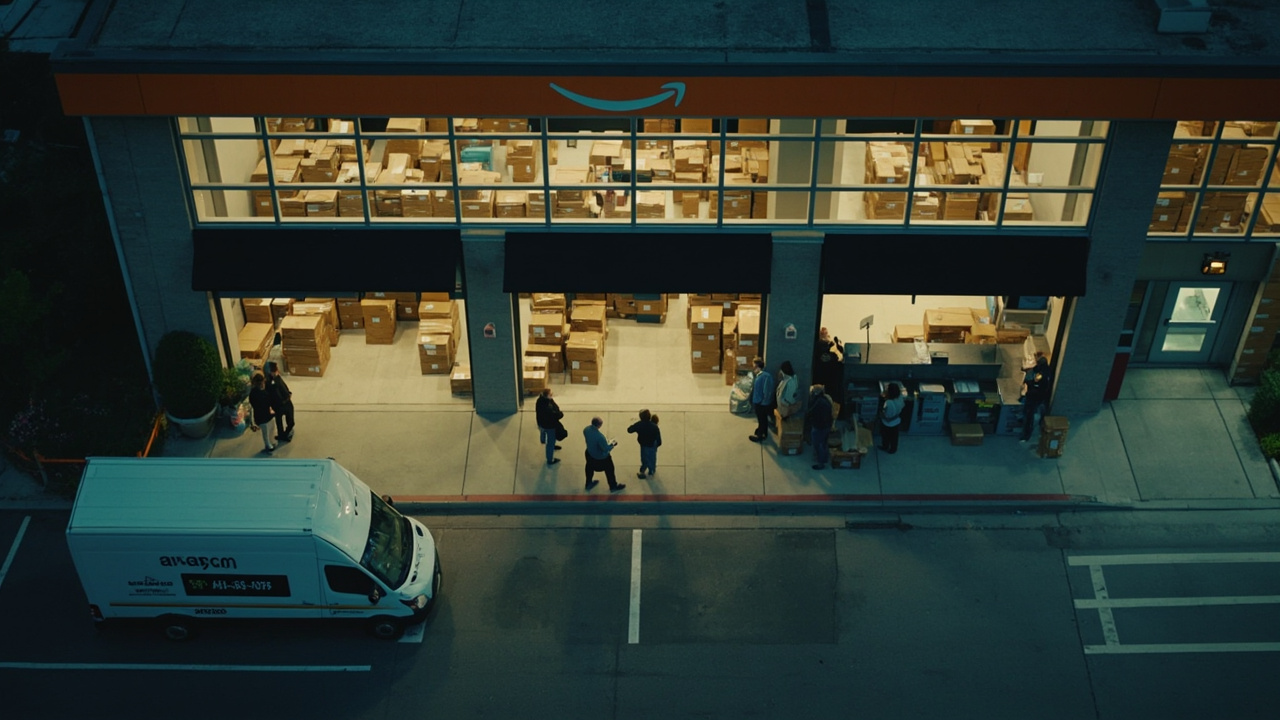
Amazon has agreed to pay $309.5 million to settle a class action lawsuit over its refund practices, according to Android Authority, citing Top Class Actions. The suit covers customers who received incomplete, late, or no refunds on returned items bought between September 5, 2017 and February 12 of the year covered in the report.
Beyond the payout, Amazon has also committed to temporary changes in how it processes returns. That is the part most customers will actually feel.
At a glance
- Settlement amount: $309.5 million
- Coverage window: September 5, 2017 to February 12 of the report's year
- Allegation: Amazon's return and refund practices violated Washington state law
- Most affected customers will be paid automatically; some need to file a claim
What the settlement covers
The lawsuit targets returns that went sideways. Customers who received less than they were owed, refunds that arrived late, or nothing at all fall within the class. The settlement splits affected customers into two groups. Subclass A is paid automatically and receives unpaid refunds plus proportional prejudgment interest. Subclass B covers everyone else and requires a claim form with supporting documentation. The exact criteria separating the two groups is not fully clear.
Beyond the cash, Amazon has agreed to operational changes that sit alongside the settlement. The company will attempt to complete partial refunds outside the suit, reprocess refunds that failed due to payment processing issues after 30 days, notify customers about return status, and automatically refund certain returns that sit unfinished for more than 90 days. These changes are temporary, lasting one to two years.
Why this matters
The headline dollar figure draws attention, but the operational shifts are what customers will actually experience day-to-day. An automatic refund at 90 days represents a meaningful policy change for a company that has historically left customers chasing support for slow returns. The notification requirement cuts down on uncertainty that drives support tickets.
For the broader e-commerce industry, this case signals that automated refund systems carry legal weight. They are not just a user experience feature. Retailers running thin margins on payment processing need to examine edge cases where refunds stall. The cost of fixing these systems is typically far less than class action exposure.
Who should care
- Affected Amazon customers**: If you received a partial, late, or missing refund on a return since 2017, you likely qualify. Subclass A customers get paid automatically; others need to file.
- Amazon sellers**: Changes to refund processing timelines could affect cash flow assumptions on returns.
- E-commerce competitors**: This settlement sets a precedent. Review your own refund pipelines for stalled transactions and missing customer notifications.
What to watch next
Watch for the official settlement website and claim form process for Subclass B. If you believe you are owed money, timing will matter. In short: if you ever received a partial refund or none at all on an Amazon return since 2017, check the eligibility rules when they go live, and keep your order confirmation emails.
Key takeaways
- Amazon will pay $309.5 million to settle a class action over incomplete refunds.
- Eligible purchases date from September 5, 2017 through February 12 of the report's year.
- Amazon will implement temporary operational changes, including automatic refunds after 90 days.
- Most Subclass A customers will receive payment automatically; Subclass B must file a claim.
Frequently asked questions
Who is eligible for the Amazon refund settlement?
Customers who received incomplete, late, or no refunds on items purchased from September 5, 2017 through February 12 of the report's year.
How much is Amazon paying?
Amazon has agreed to pay $309.5 million, according to Android Authority citing Top Class Actions.
Do I need to file a claim to get paid?
Subclass A customers will be paid automatically. Subclass B customers must submit a claim form and supporting documentation.
What operational changes is Amazon making?
Amazon has agreed to reprocess stuck refunds, notify customers about return status, and automatically refund certain returns that sit unfinished for over 90 days, lasting one to two years.