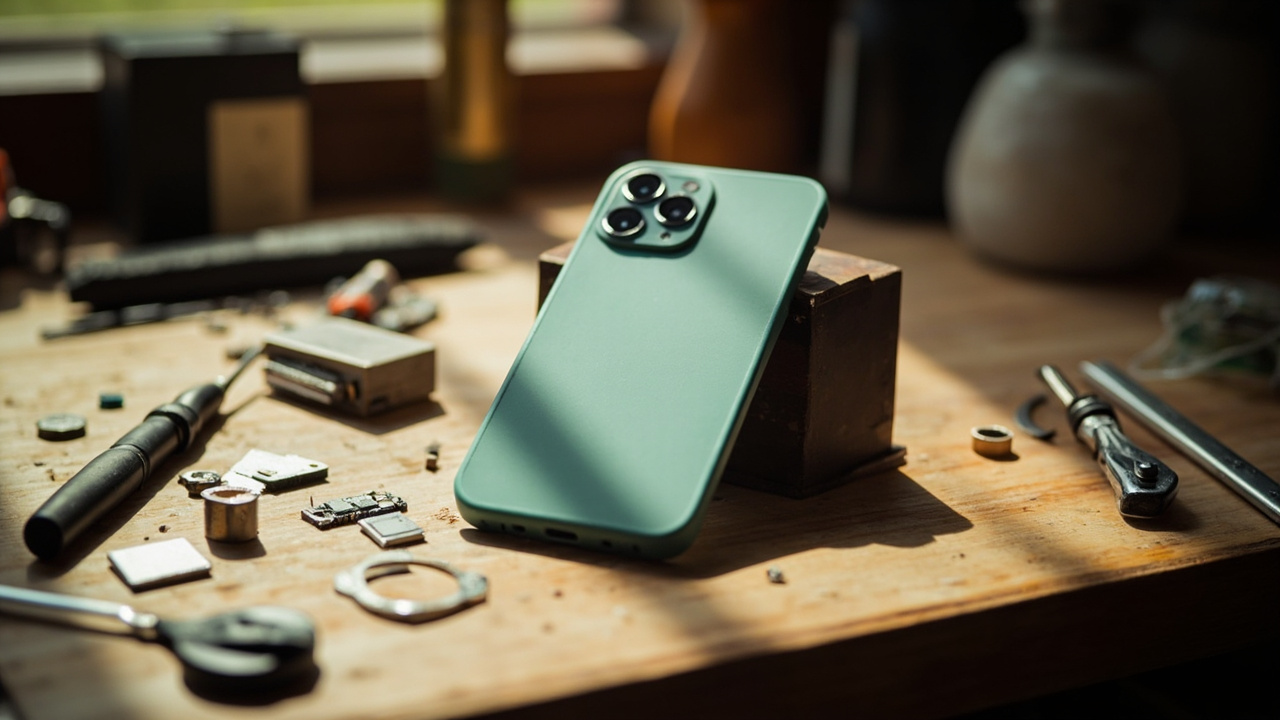
The Pixel 5 didn't win any awards. It didn't need to. Google shipped a mid-range phone in 2020 wrapped in plastic bio-resin during a global pandemic, supply chain nightmares, and the death of Project Soli—and somehow it still holds up better than most flagships from that era. A new retrospective is making the rounds, and it's time to talk about why this device deserves a second look, especially if you're the type who tracks how hardware decisions ripple into software futures.
The Compromise Machine That Worked
2020 was brutal for hardware launches. The Pixel 5 launched into a world where Google's grand plans had been gutted by circumstance. The radar-based Motion Sense feature from the Pixel 4 was effectively dead. Supply shortages meant Google couldn't get the parts it wanted. The answer? A device that leaned into fundamentals instead of flashy promises.
Google swapped the flagship processor for something more modest. It replaced glass and metal with a plastic bio-resin shell. Those sound like downgrades on paper. In practice, the phone felt different—and not worse. The resin added grip. The fingerprint sensor returned after the frustrating face unlock experiment. The battery capacity grew substantially, finally fixing the Pixel 4's fatal flaw.
What Made It Age So Well
Here's the thing nobody talks about enough: durability. These days, when every phone seems determined to shatter if it touches a table, the Pixel 5's material choice looks almost prescient. It survived drops that would crack a modern flagship. It still fits comfortably in a hand without a case. The curved back glass melted into the frame in a way Google's subsequent designs haven't replicated.
The Pixel 5 also benefited from Google's computational photography maturing. The same software tricks that made Pixel photos impressive in 2020 have aged into features like Magic Eraser and Photo Unblur on later devices. The hardware underneath may be modest, but Google squeezed a remarkable amount from it.
Why This Still Matters to Android Readers
This isn't just nostalgia. The Pixel 5 represented a turning point in how Google thought about its phone strategy. Internal reports suggest Google originally planned to debut its custom Tensor chip on the Pixel 5 before pushing it to the next generation. That shift reshaped everything Google has done since.
For readers weighing whether to upgrade or stick with older hardware, the Pixel 5 is a case study in why raw specs don't tell the whole story. A device built around restraint and real-world usability aged better than power-first alternatives.
Bottom Line
The Pixel 5 was never supposed to be special. Circumstance forced Google into building something practical instead of aspirational. In retrospect, that constraint produced one of the most usable Android phones ever made. If you've still got one in a drawer somewhere, it's worth a second look.
Key takeaways
- The Pixel 5's plastic shell aged better than glass flagships from the same era
- Software maturity means the camera still competes with newer mid-range phones
- The device's hardware journey influenced Google's entire post-2020 strategy
Frequently asked questions
Was the Pixel 5 considered a flagship when it launched?
It was marketed as a flagship, but the mid-range processor and materials placed it closer to the upper mid-range category, which it handled better than most true flagships of its time.
Can the Pixel 5 still receive software updates?
No. The Pixel 5 received Google's standard support window for its generation, ending its update cycle several years ago.
What made the Pixel 5 different from the Pixel 4a?
Both used similar processors, but the Pixel 5 featured a smooth display, wireless charging, an ultra-wide camera, and the premium resin finish rather than the standard plastic of the 4a.
Did Google originally plan to use Tensor on the Pixel 5?
Reports suggest Google considered launching its custom Tensor chip alongside the Pixel 5, but the design was pushed to the Pixel 6 series instead.
Inspired by reporting from: 9to5google.com